
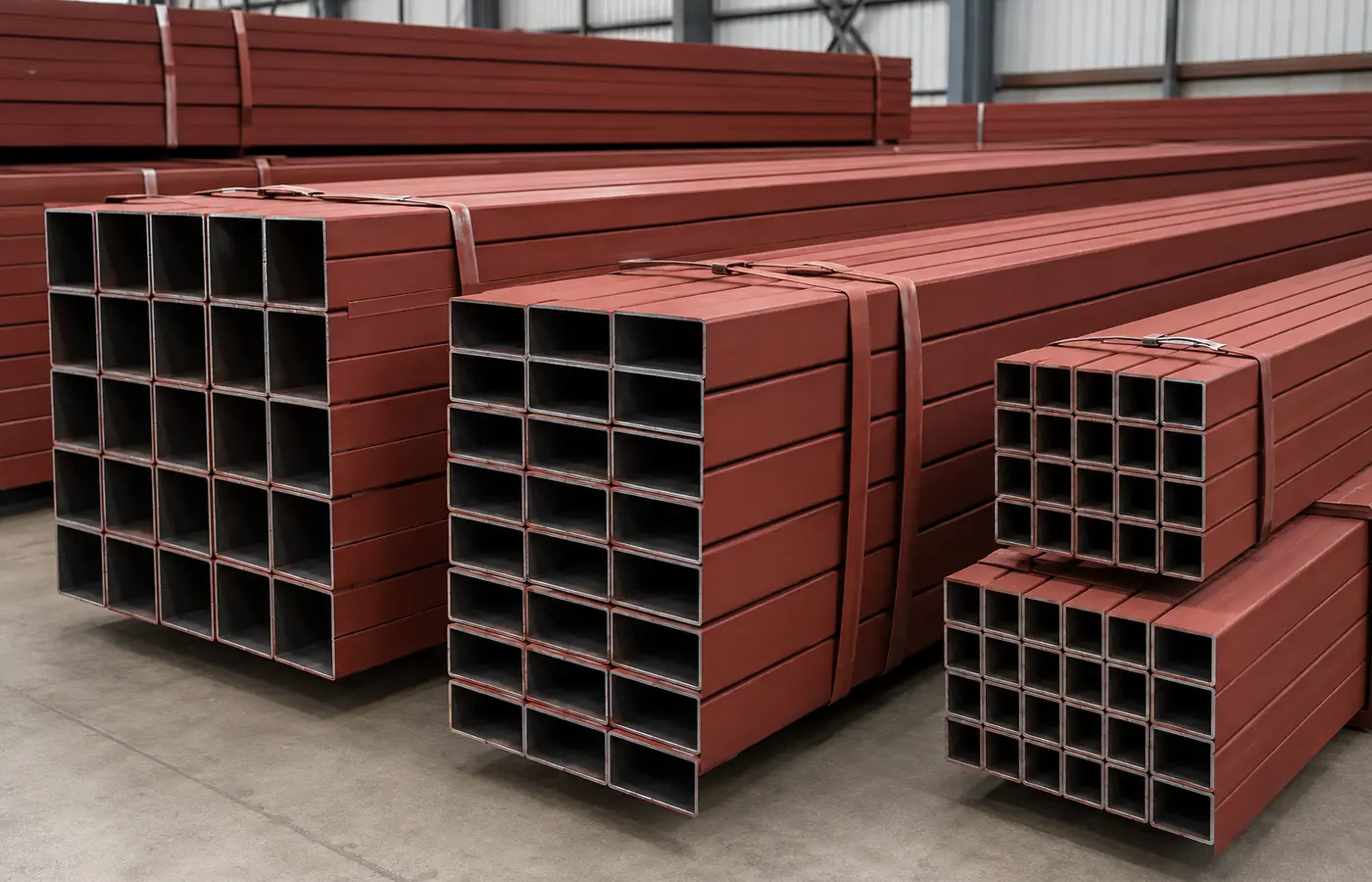
Identify the original coating
A coloured factory coating may be a shop primer rather than a complete exterior system. Confirm its chemistry, specification and intended topcoat before selecting repair paint.
Map damage after fabrication
Inspect cut ends, holes, heat-damaged film, clamp marks and transport scratches after welding and forming are complete. Paint must not conceal a structural weld defect.
Remove oil and salts first
Clean cutting fluid, grease, marker, anti-spatter residue, dust and salts before grinding. Follow the cleaner's safety data and let the surface dry fully.
Dress welds and sharp edges
Remove slag and spatter and smooth coating-hostile irregularities. Break or round knife edges without thinning the section or sound weld unnecessarily.
Feather sound coating
Remove loose, burnt or failed film to a sound edge, then feather and abrade the intact surrounding coating. Avoid polishing bare steel and protect the prepared surface from contamination.
Choose a compatible primer
Do not select by colour alone. Follow the exact product data for preparation, mixing, thinner, temperature, humidity and overcoating; test compatibility when the original coating is unknown.
Stripe-coat vulnerable details
Where specified, brush a stripe coat onto edges, welds and tight details before the main coat. Apply the required number of coats and verify film thickness where the system allows.
Cure and inspect
Do not stack or expose parts merely because they feel dry. Respect handling and full-cure times, then inspect for holidays, pinholes, runs and damage and record the products and conditions used.