
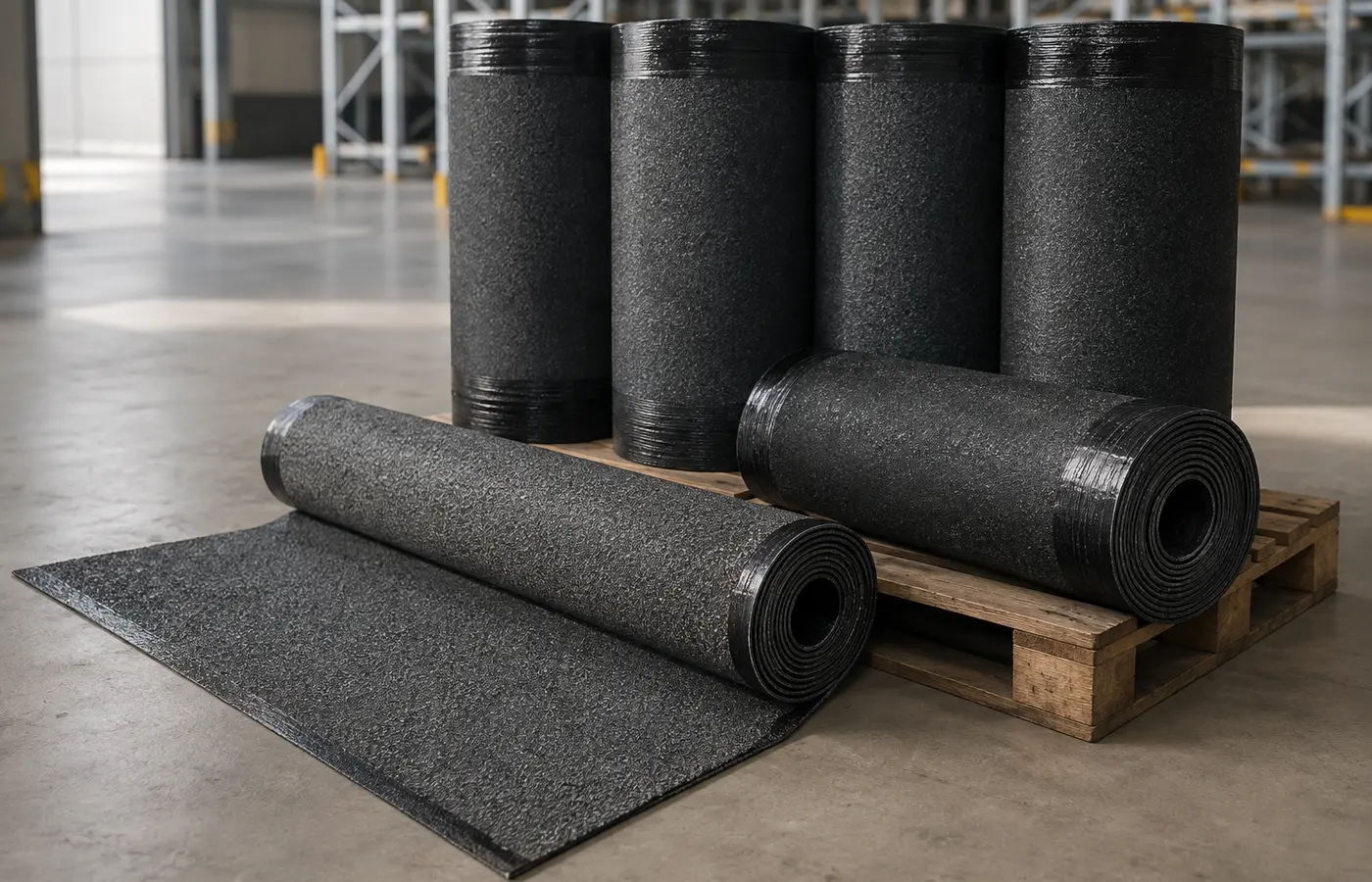
A membrane works as part of a waterproofing system
The structural deck, falls, primer, vapour control, insulation, separator, membrane, protection and finish work together. A product used elsewhere is not automatically suitable for your roof, terrace or below-grade wall.
Define the water source, service, traffic, UV exposure and whether the membrane will be covered. Selection belongs to the designer, waterproofing specialist and approved system detail; a label is not a design.
1. Make the substrate sound, even, clean and dry
Loose concrete, dust, oil, sharp projections, voids, moving boards and moisture can cause blistering, puncture, poor bond and ponding. Verify strength, evenness and moisture by the product method, and repair cracks and voids before covering.
For OSB and wood, check grade, thickness, support, fixing, joints and moisture movement. Remove laitance from concrete and rust, oil and sharp edges from metal. A new membrane over an incompatible weak layer only hides the problem.
2. Do not ask the membrane to create drainage
The membrane resists water; it does not correct poor falls. Plan outlets, valleys, gutters, upstands and overflows so water drains. Recheck levels after insulation, screed and finishes because build-up can reverse the fall around an outlet.
Outlet capacity and emergency overflow require design. A bead of mastic is not a complete drain detail; coordinate the membrane with its flange and fixing. Keep outlets free of leaves and construction waste.
3. Match the membrane and application method
Bituminous membranes vary by reinforcement, polymer, thickness, finish and installation. Torch-applied, self-adhered, hot-air or adhesive systems need different site conditions and skills. Liquid systems also have defined coats, reinforcement, consumption and cure.
Torch work requires control of combustible substrates, cylinders, permits, fire watch and protection. Do not improvise flame use near timber, existing roofs, insulation or enclosed areas. Include trained installers and required equipment.
4. Follow the system for layers, direction and laps
Single or multi-layer selection is not a price choice. Layer roles, staggered joints, orientation, laps and cap-sheet finish come from the system detail. Random orientation or stacked joints can create a weak water path.
Lap surfaces, heat or adhesive, pressure and timing must follow instructions. Too little bond and overheating are both defects. Inspect every seam before it is concealed and rework doubtful areas only by an approved method.
5. Resolve corners and penetrations first
Leaks commonly begin at upstands, corners, pipes, chimneys, drains, thresholds, movement joints and anchors. Form the required fillet and use system reinforcement. Set upstand height from the finished surface.
Later air-conditioning, solar, rail or sign anchors can puncture completed work. Design loads, flanges, movement, seals and access together. Do not rely on exposed mastic as the permanent primary water stop.
6. Verify primer, compatibility and vapour control
Primer is substrate-specific, with defined consumption and drying. Concrete, old bitumen, metal, timber and insulation may need different products. Use approved components and avoid covering uncured primer or allowing it to become contaminated.
Indoor vapour can condense within a cold layer. Waterproofing above does not correct the wrong build-up. Vapour control, insulation, ventilation and airtightness require building-physics design for climate and internal humidity.
7. Control weather, storage and safety
Store rolls in the specified orientation and protect them from sun, rain, temperature extremes and crushing. Do not apply to wet, frozen or dew-covered surfaces; follow the data-sheet limits.
Provide fall protection, access, cylinder and hose checks, extinguishers and post-work fire watch. Assess fumes in enclosed areas. Never shorten safety or cure time to increase output.
8. Quantity and quotation checklist
Send a dimensioned plan with:
- Roof, terrace, foundation, wall or wet-area use
- Substrate, moisture, falls, outlets and existing layers
- Membrane type, layer count and application method
- Roll dimensions, laps, turns and waste
- Upstands, corners, valleys, drains, pipes and movement joints
- Primer, separators, reinforcement, protection and accessories
- UV, traffic, coast, temperature, vapour and chemicals
- Storage, lifting, hot-work and installer requirements