
A clean appearance does not mean weld-ready
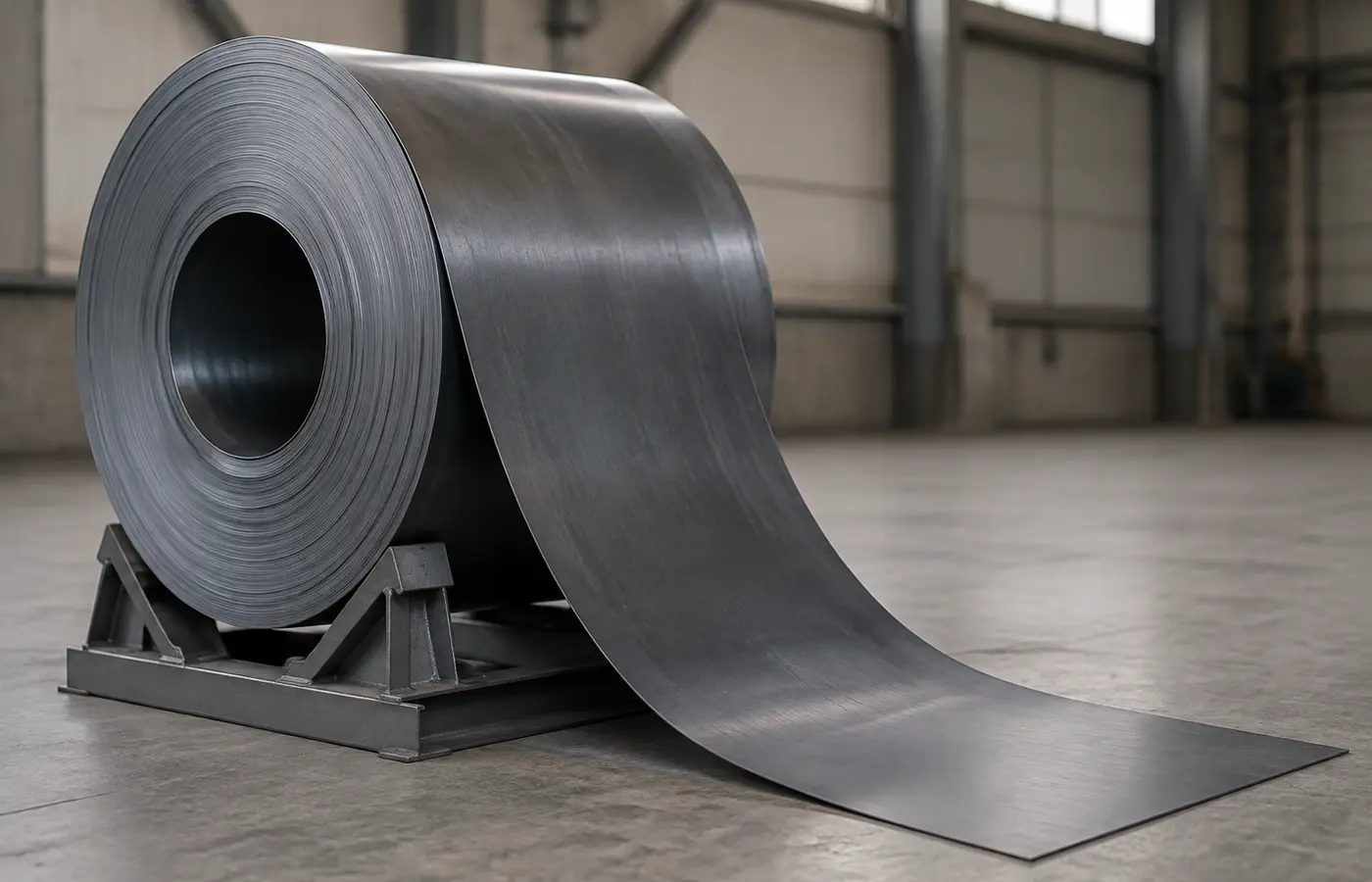
HRP sheet is hot-rolled steel that has been pickled to remove mill scale and is commonly oiled to limit flash rusting. It may look cleaner than black hot-rolled sheet, yet transport oil, cutting fluid, fingerprints, moisture, light rust and marking residue can remain near the joint. TWI says joining surfaces should be clean, dry and free from scale, heavy oxides and organic contamination.
Confirm the actual grade and thickness from traceable identification. Take joint type, filler, preheat, interpass temperature and inspection requirements from the approved welding procedure. The HRP designation alone is not a welding procedure, especially for structural or safety-critical work.
Set joint geometry before grinding
Butt, corner, lap and T joints require different access and preparation. Bevel angle, root face, root gap and weld size must come from the drawing or procedure. An unnecessarily wide bevel adds weld metal, heat input and distortion rather than correcting poor planning.
Remove burrs, cutting dross, damaged edges and any procedure-defined heat-affected material without thinning the sheet. Check dimensions, diagonals, flatness and fit-up before clamping. Do not treat excessive gaps as something to fill with extra weld metal.
Degrease before removing oxides
Grinding an oily surface can spread contamination and embed it into the abrasive. Lincoln Electric recommends removing oils and grease before oxide removal. Use an approved non-chlorinated cleaner compatible with the material, follow its safety data sheet, ventilate the area and allow the surface to dry completely.
Remove cleaner containers, used rags and flammable waste before striking an arc. Do not mix unknown solvents or use random automotive cleaners. Wear clean gloves after preparation and ensure compressed air is free of oil and water before using it on the joint.
Remove rust, coatings and cutting residue in a controlled way
After degreasing, clean the required band around the joint of rust, loose oxide, paint, primer, heavy marker and cutting residue. TWI identifies rust, grease and cutting oils as possible sources of porosity and other weld defects. A shop primer should remain only when its exact product and welding procedure permit it.
Use clean, suitable discs and brushes. Avoid gouging, thinning the sheet or changing the bevel. Remove abrasive dust and repeat final degreasing when required. SSAB likewise treats removal of moisture, oil, corrosion and impurities as basic welding hygiene.
Control moisture and consumables
Cold sheet entering a warm humid workshop can develop invisible condensation. Let the material equalise and verify that it is dry. Apply preheat only when the procedure defines the temperature, method and measurement points; never heat over oil, paint or solvent residue.
Clean plate cannot compensate for rusty wire or damp electrodes. Store filler materials to the manufacturer's instructions and reject damaged or suspect consumables. For gas-shielded processes, also verify hoses, regulators, flow and protection from draughts.
Verify tacks and fit-up before production welding
Assemble cleaned parts promptly. Measure root gap, alignment and mismatch, and prevent clamps or magnets from recontaminating the joint. Tacks that remain in the final weld require the same preparation, filler and procedure discipline; cracked or porous tacks must be removed and remade.
Plan sequence and distortion control without changing engineered weld size or continuity. Recheck dimensions after tacking. For repeat production, a trial piece and the specified destructive or nondestructive checks can reveal preparation and parameter errors before the batch proceeds.
Use a short pre-weld acceptance check
Before the arc starts, confirm material identity, thickness, joint type, bevel dimensions, root gap, alignment, cleanliness, dryness, consumables and procedure number. The cleaned width is determined by the process and procedure, not by one universal rule.
Record the sheet batch, cutting method, cleaner, edge dimensions, tack sequence and deviations. Reliable welding comes from correct material, controlled geometry, a clean dry joint, suitable consumables, an approved procedure and measurable acceptance criteria working together.